A robot can give someone back time, movement, or access to a place that would otherwise be out of reach. The hard part is deciding who controls that machine, what it may do, and what happens when it fails.
Quick read
- Robotic tools can reduce physical limits in work, care, transport, and daily living.
- Remote operation can let people act in places that are unsafe or too far away.
- Freedom shrinks when a robot makes decisions without a clear human override.
What freedom means in practice
Freedom is often described as the ability to choose. For a person using a powered wheelchair, a robotic arm, or a speech-controlled home system, choice also depends on access to movement, communication, and basic tasks.
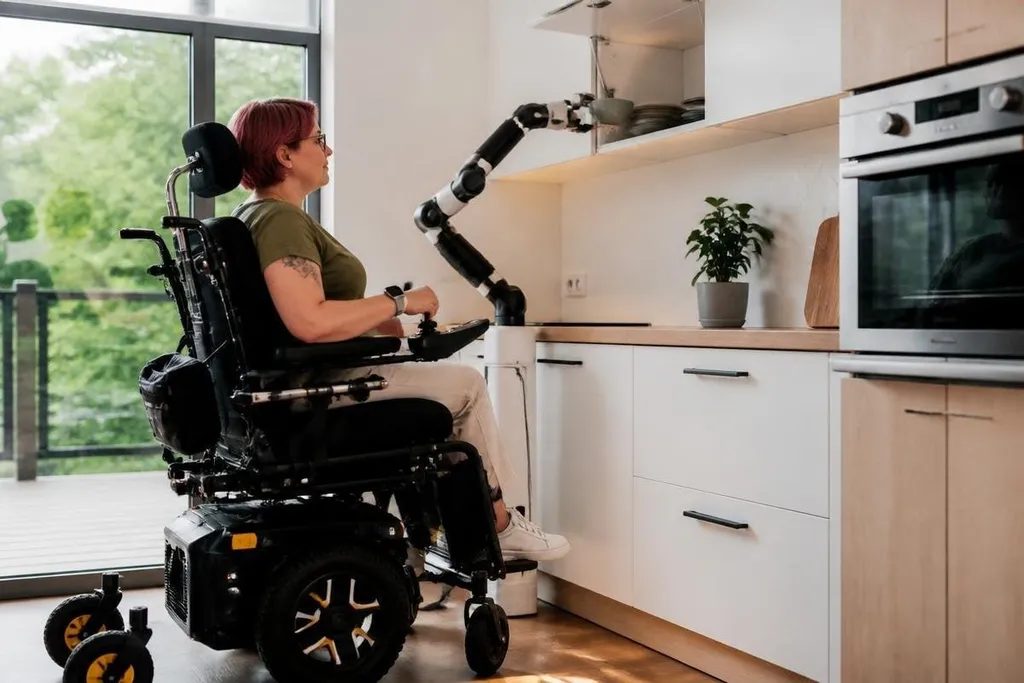
Those machines can help with those tasks by sensing their surroundings and carrying out physical actions. A robotic arm may hold a cup, open a door, or move an object. A mobile robot may carry supplies through a hospital or inspect a damaged building while a person stays outside.
The benefit comes from the task the robot takes on. If it handles a tiring or unsafe action, a person may have more time for work, rest, family, or decisions that need human judgment. The robot does not create freedom by itself. It gives someone more room to act.
A tiring lift can give a worker more choice only if the robot handles setup and recovery too. Robotics coverage from Robot24.com tracks those details beside the human handoff, so the freedom claim rests on the work people still have to do. The next section looks at physical work and personal choice.
Physical work and personal choice
Robots can widen freedom for workers when they reduce strain without removing control. A lifting robot can take on repeated loads. A robotic inspection system can enter a hot, narrow, or contaminated area. A farm robot can handle a narrow field task while a person supervises the work.
The result depends on the job design. If the worker chooses when the machine moves and can stop it, the robot acts as a tool. If the system sets the pace, measures every action, and uses those records to punish small delays, the same hardware can reduce freedom at work.
That concern applies outside factories too. A care robot may remind someone to take medicine or help them stand. Those functions can support independent living, but the person still needs a clear way to reject a reminder, stop a movement, or call a human.
Remote control has a real limit
Teleoperation lets a person control a robot from another place. A remote camera, arm, or vehicle can help with inspection, rescue work, and access to distant sites. The person may avoid danger while still making the decisions that matter.
Distance also removes useful signals. A remote operator may not feel how hard a gripper is pressing or hear a motor change before a fault.
Video can miss a small object, a person outside the camera view, or a change in floor grip. Good remote systems need clear status data, safe stop controls, and a plan for lost communication.
Autonomous systems add another layer. They can choose a route or action from sensor data, but their choices depend on how the system was built and tested. A system that works well in a clear hallway may behave differently around poor lighting, loose cables, or people moving in unexpected ways.
I think robots expand freedom only when the person affected can understand, refuse, and override the machine.
A practical test before deployment
Before you bring a robot into a home, workplace, or public site, check the human control around it. These points make the decision more concrete:
- Name the task: Write down the exact action the robot will perform and the person who remains responsible.
- Set the stop point: Put an emergency stop where the operator can reach it without moving toward the hazard.
- Check failure states: Test power loss, sensor errors, blocked paths, and dropped network connections.
- Protect the record: Decide what the robot stores, who can view it, and when the data gets deleted.
- Keep a human route: Give people a way to ask for help when the system cannot handle the situation.
- Review the result: Ask if the robot gives people more choices, or only makes the same work happen faster.
That last check matters because speed is not the same as freedom. A system can finish a task quickly while leaving people with fewer choices, less privacy, or no clear appeal when it gets a decision wrong.
The useful measure is plain: after the robot arrives, can the person do more by choice, with a safe way to stop the machine? If the answer is no, the design needs more human control before the robot does more work.